




Sustainable packaging initiatives are becoming an increasingly important focus across the pharmaceutical industry. As manufacturers work to reduce environmental impact and advance circularity goals, packaging teams are challenged to identify sustainable solutions while meeting strict expectations.
Pharmaceutical packaging materials must factor in sterilization, product protection and regulatory requirements during the manufacturing process. This highly regulated industry must ensure patient safety, so historically, these requirements have made the adoption of recycled materials very complex.
Strict Standards Leave Little Room for Compromise
Manufacturers must consider the following aspects to maintain compliance, including U.S. Food and Drug Administration (FDA) and International Organization for Standardizations (ISO) standards, that govern sterility and material performance:
- Sterilization method and suitability of packaging solution to that method
- Product protection through all phases of processing, including manufacturing, storage and transportation
- Regulatory requirements, including clean room manufacturing, formative testing and validation
Because of these requirements, polyethylene terephthalate (PET) has traditionally been the preferred material choice for many thermoformed pharmaceutical packaging applications due to its high strength and durability. However, continued advancements in PET recycling are beginning to expand what’s possible.
A New Approach to Sustainable Pharmaceutical Packaging
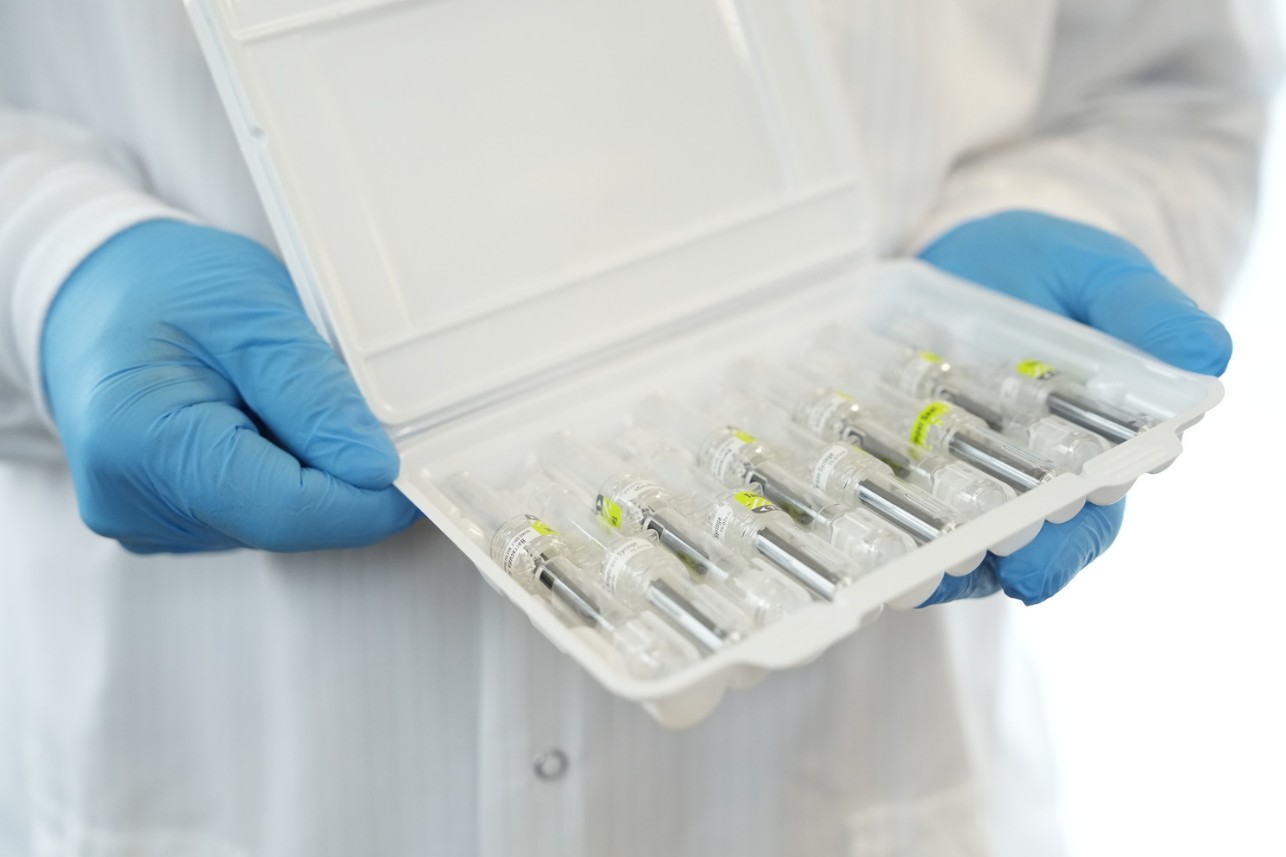
Plastic Ingenuity’s newest opaque white clamshell development represents one example of how thermoformed pharmaceutical packaging is evolving to support both material circularity and packaging performance requirements. Upon conducting a life cycle assessment (LCA) to compare bio-based PET, mechanically recycled PET and advanced (chemically) recycled PET, the LCA results demonstrated that recycled PET offered the greatest reduction in environmental impact while maintaining required performance characteristics. The assessment also showed that recycled PET has a lower carbon footprint compared to bio-based PET materials.
After material testing and validation, the finished clamshell design featured 75% recycled PET (50% mechanically recycled, 25% advanced recycled) content.
The clamshell was designed to withstand ethylene oxide (EtO) sterilization conditions, as well as alternative methods like gamma and e-beam sterilization, without compromising material performance. The strong compatibility between multiple sterilization methods and the packaging material of the clamshell guarantees that drug safety and package quality standards are uncompromised.
Additionally, the packaging’s opaque white coloring creates light-blocking properties to protect the product inside and aligns with the visual appearance often associated with pharmaceutical products. Extensive material trials and performance testing ensured the final formulation met the desired opacity while maintaining demanding durability requirements, reinforcing the feasibility of using high PCR content in performance-critical pharmaceutical packaging.
As pharmaceutical and manufacturing companies continue to evaluate ways to support circularity to reduce overall environmental impact, developments like this solution showcase how recycled materials are becoming more viable for highly regulated packaging environments.
Moving Toward More Circular Pharmaceutical Packaging Solutions
As sustainability expectations continue to evolve across the pharma industry, manufacturers are increasingly evaluating how packaging solutions can support both environmental goals and performance regulations. Maintaining a robust sterile barrier throughout transportation and handling are top of mind during the design and testing process to meet sterilization compatibility, product protection and regulatory compliance requirements. Partnering with a supplier that specializes in healthcare packaging and operates within an ISO Class 7 cleanroom environment is critical to safeguarding product quality, contamination control and regulatory compliance.
Advancements in thermoforming and recycled PET materials are helping expand what is possible within this highly regulated industry. Developments like Plastic Ingenuity’s PCR PET clamshell packaging demonstrate how manufacturers can begin incorporating higher levels of recycled content while maintaining the standards expected of pharmaceutical packaging.
Innovations in sustainable pharmaceutical packaging will play an important role in helping the industry move toward more circular packaging solutions without compromising quality or patient safety. Connect with the team at Plastic Ingenuity to explore secondary pharmaceutical packaging solutions that support your packaging standards and sustainability goals.