


Ebooks
PPWR Toolkit
This toolkit is intended to support thermoform packaging design and sustainability decision-making…

The Challenge
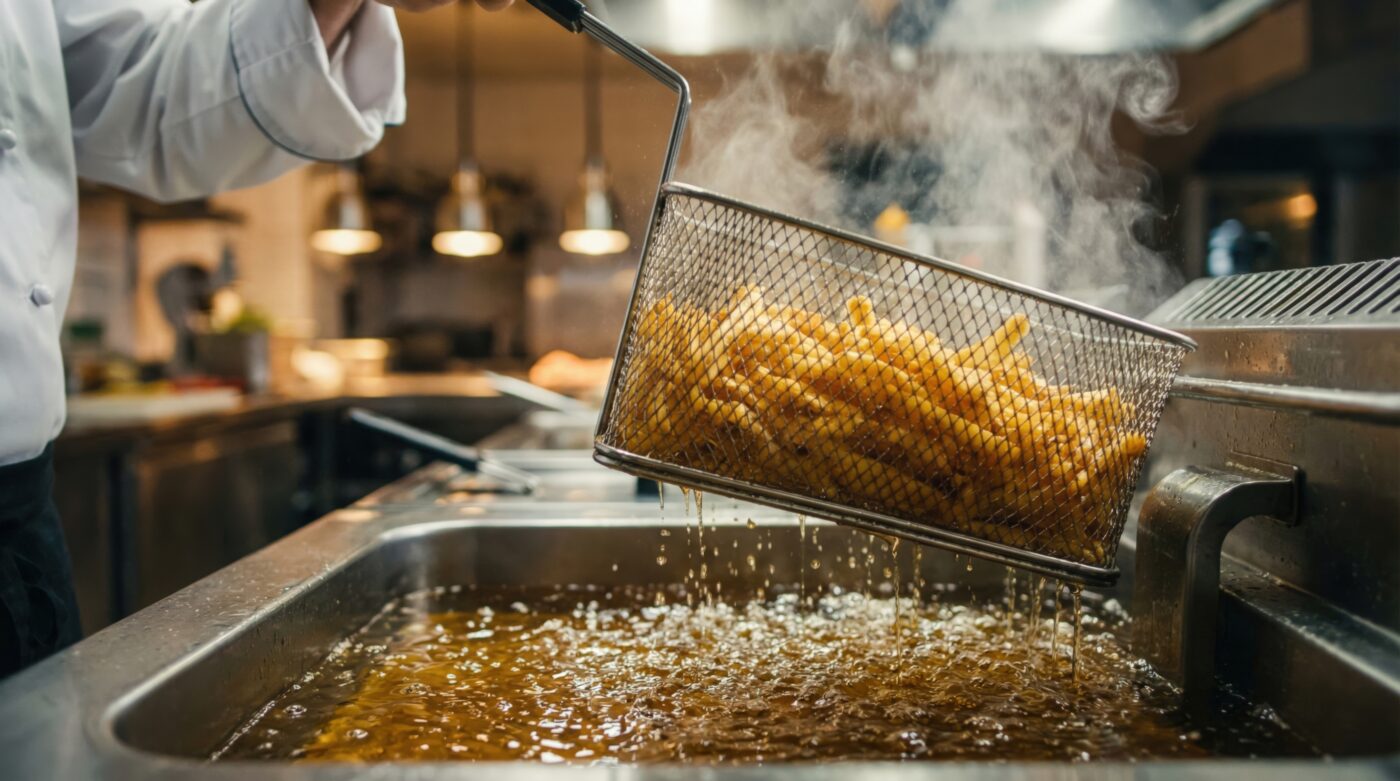
A multinational quick service restaurant (QSR) wanted to take a meaningful step toward circularity by replacing virgin plastic in its hot food and beverage lids with a renewable, bio-based material. The challenge was finding a solution that met strict performance standards while reducing dependence on fossil-based resources.
The Process
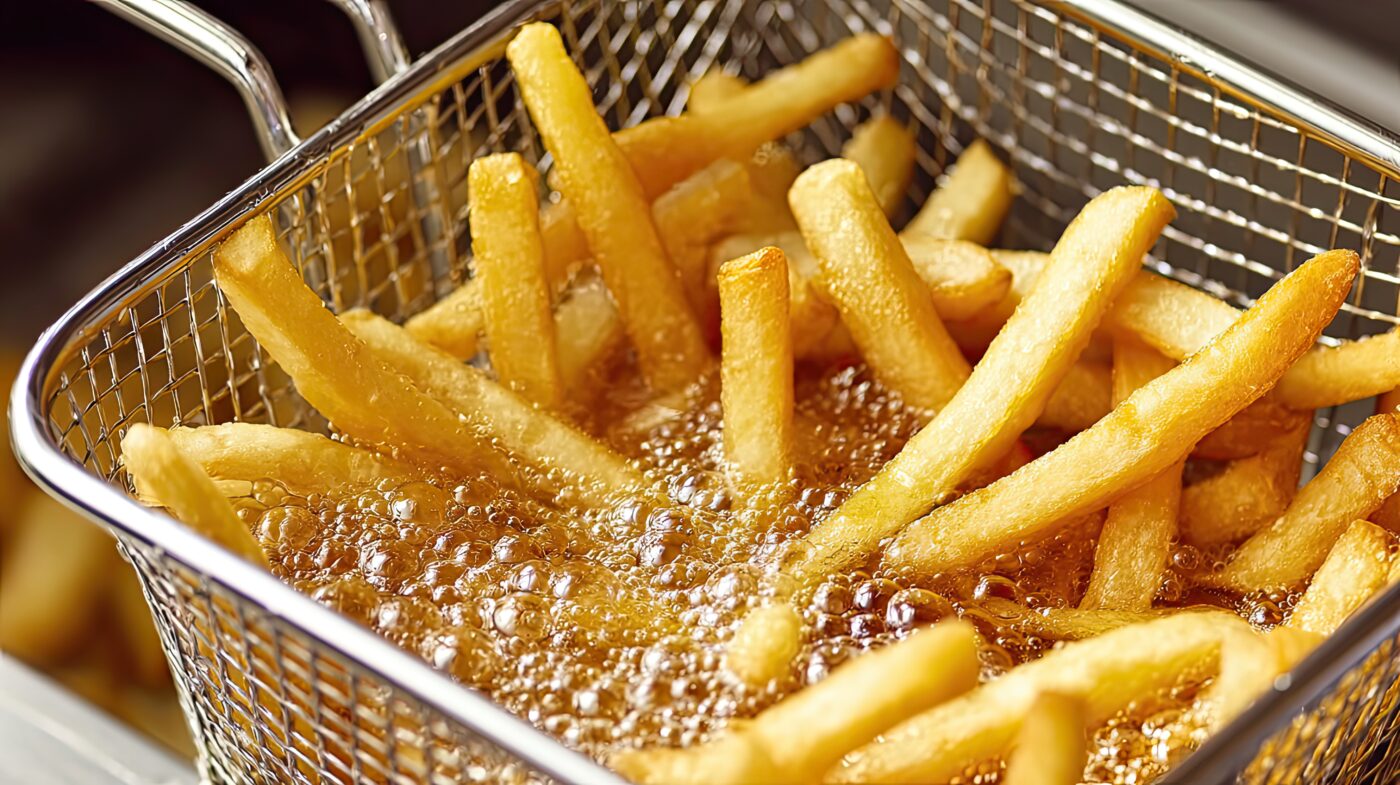
Plastic Ingenuity explored bioplastic options that could meet the QSR’s functionality, safety and sustainability goals. Bioplastic is a polymer made from plant-based, renewable sources like starches or cellulose, yet it is chemically identical to plastic derived from fossil fuels. That means no compromise in durability or heat resistance. In this case, the origin material came from a second-generation biosource—used cooking oil (UCO). The UCO was filtered and refined through a chemical process that converts it into usable fractions for resin production. The result was a thermoformable, food-safe material that could be molded into lids for hot food and drinks. This open-loop approach demonstrated true circularity in action: waste from the food system was transformed into a valuable raw material, ready to be reintroduced into restaurant service.
The Solution
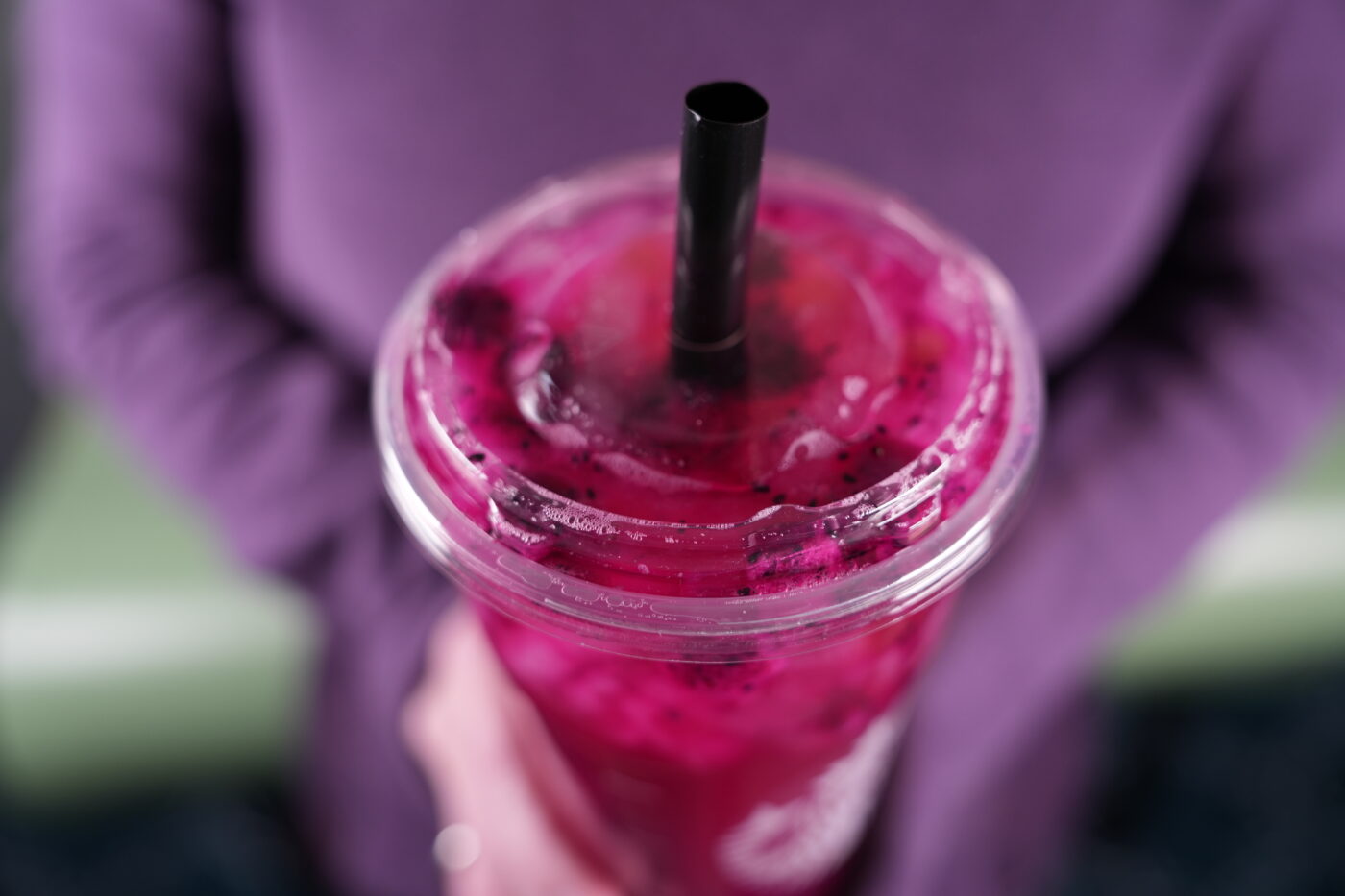
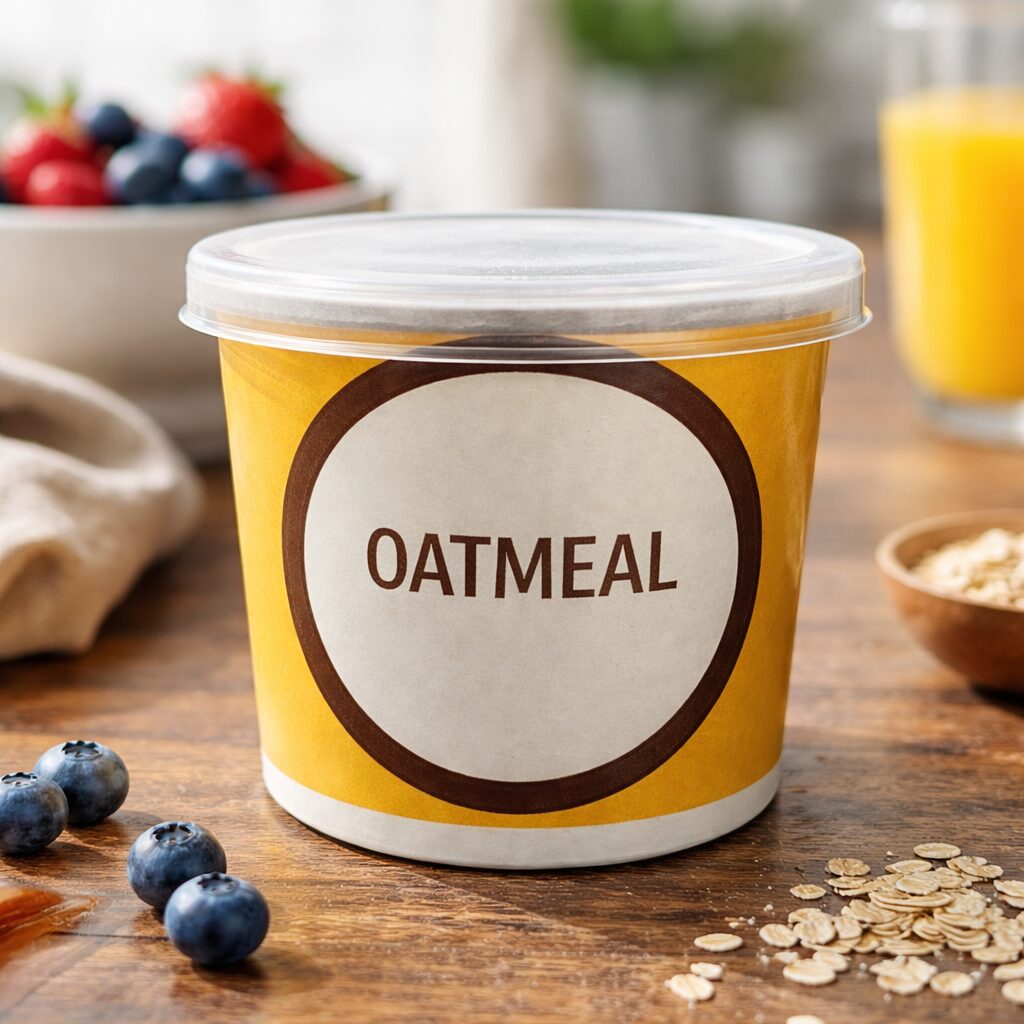
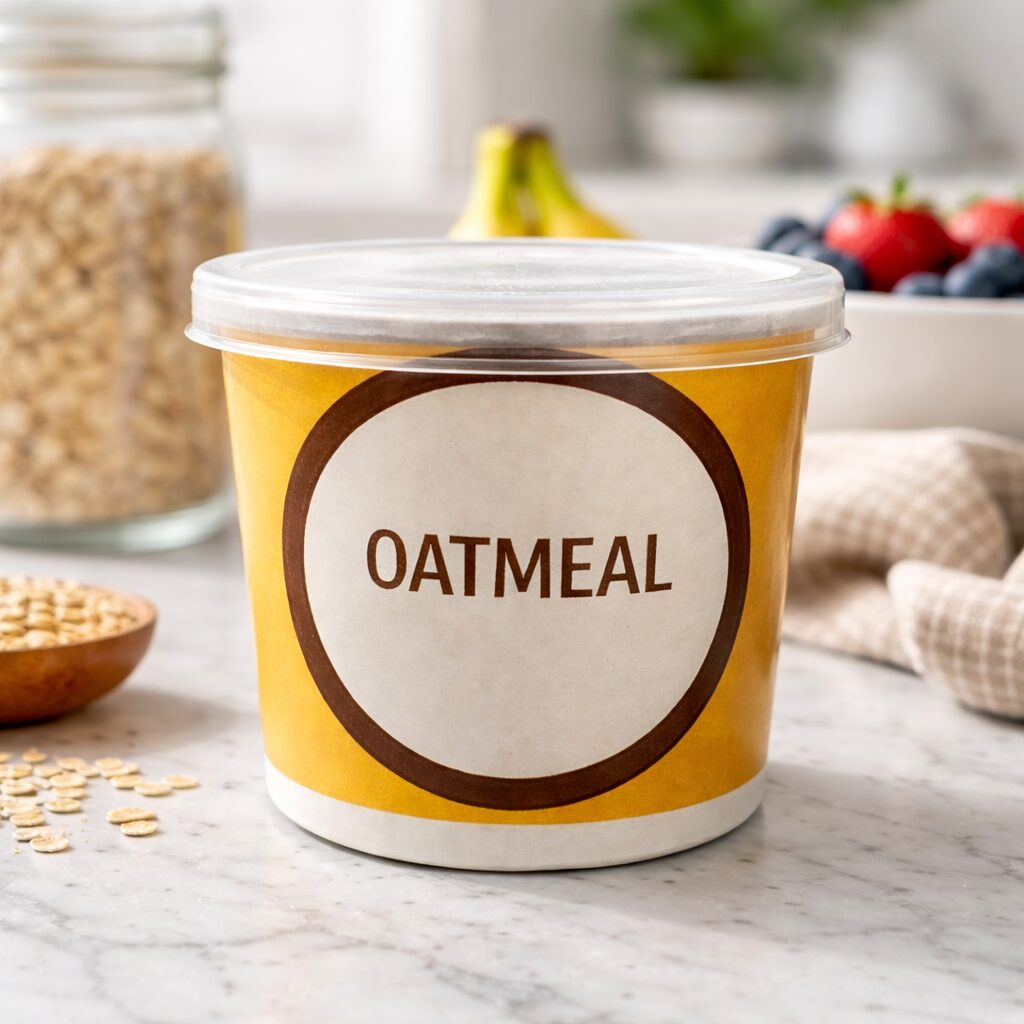
Plastic Ingenuity produced new hot lids using the bio-based resin, and the switch required no change to existing tooling or production lines. The bioplastic performed exactly like traditional virgin plastic, proving that sustainability does not have to come at the expense of efficiency or quality. The material was certified under PI’s ISCC PLUS mass balance system, a globally recognized third-party certification that ensures supply chain transparency and verifies the authenticity of sustainability claims. This case demonstrates that circular solutions are possible even in high-volume, everyday items like coffee cup and oatmeal lids at one of the largest restaurant chains in the world.
The Impact
220,001 pounds of virgin fossil fuel-based plastic material avoided