


Ebooks
PPWR Toolkit
This toolkit is intended to support thermoform packaging design and sustainability decision-making…


The Challenge
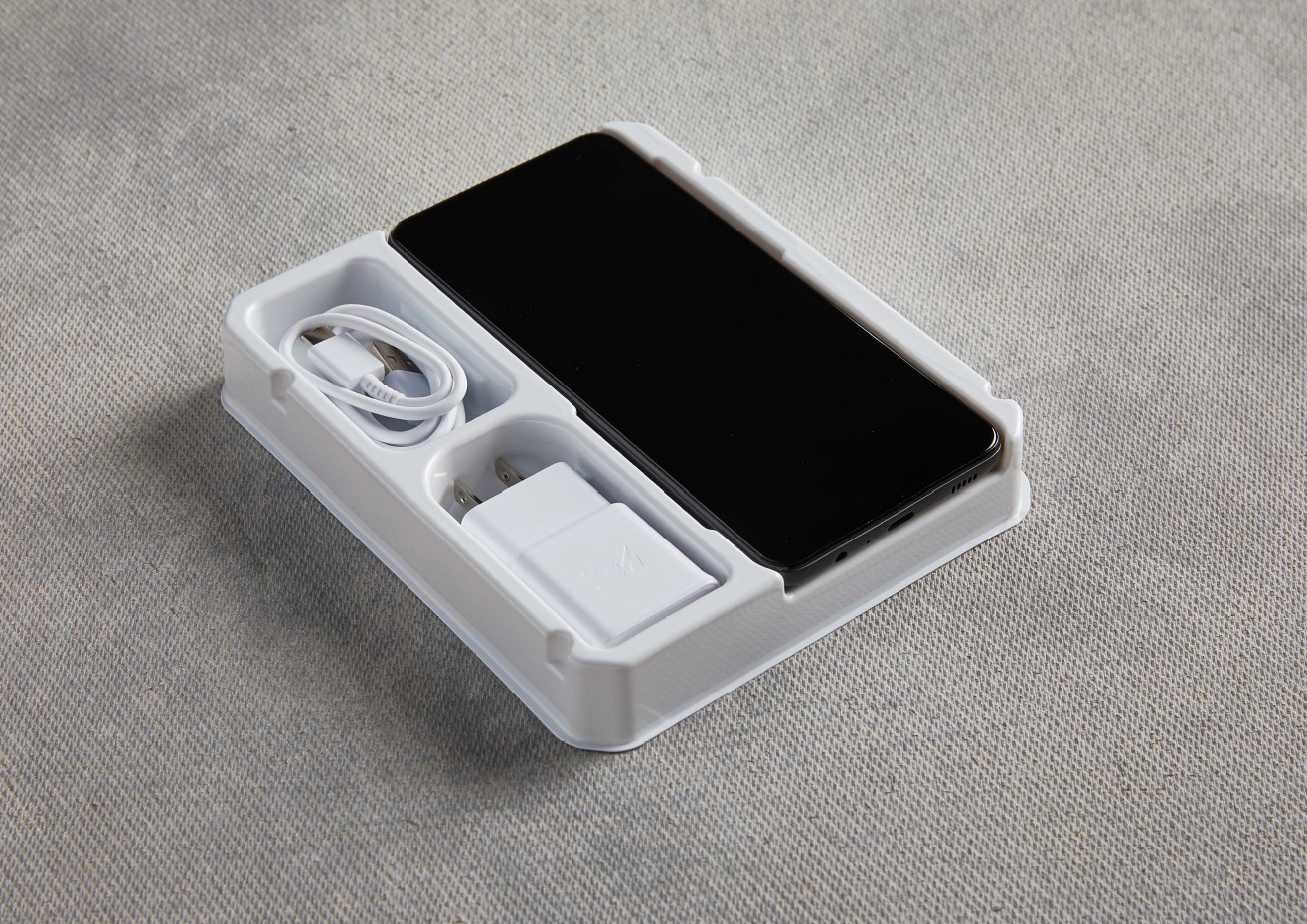
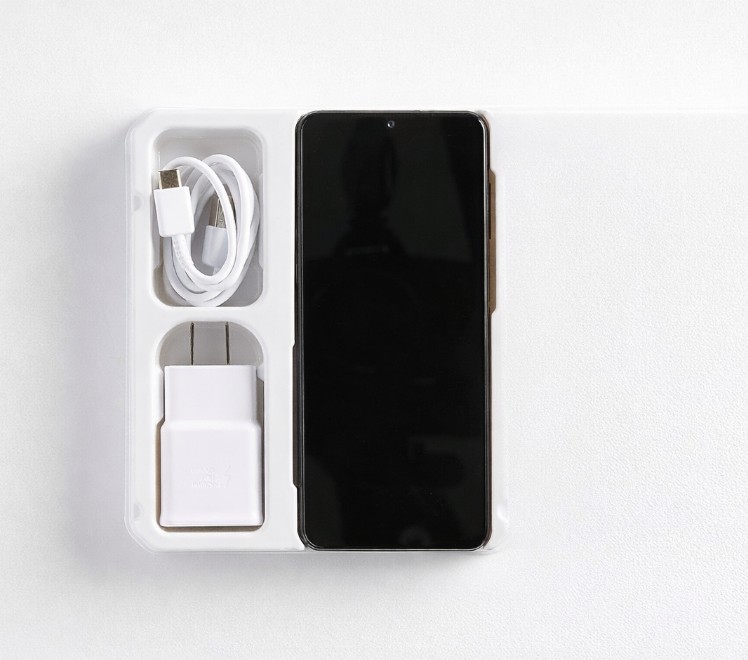
A long-time Plastic Ingenuity customer, TracFone, came under new ownership with fresh sustainability goals. The new leadership wanted to replace TracFone’s legacy packaging of thermoformed plastic and paperboard with molded fiber packaging and even had a prototype ready.
Molded fiber has strong sustainability potential from its renewable feedstock and “widely recyclable” classification by How2Recycle. However, thermoformed plastic is inherently lightweight and offers benefits such as clarity, durability, and recyclability.
Thanks to years of partnership and trust, Plastic Ingenuity was able to conduct a Sustainable Packaging Assessment (SPA) of the options and recommend the most sustainable path forward.
The Process
SPA is the foundation of Plastic Ingenuity’s sustainability services. This three-step process starts by identifying the customer’s sustainability goals and assessing current packaging systems. For TracFone, we reviewed the sustainability targets of both its parent company and the major retailer where the product is sold. The key priorities were clear: design for recyclability and maximize recycled content.
Next, we conducted a Life Cycle Assessment (LCA) comparing the environmental impact of various packaging formats. TracFone’s legacy packaging served as a baseline and was assessed against the proposed molded fiber design and two new thermoformed concepts. Plastic Ingenuity’s design engineers developed packaging trays using 100% post-consumer recycled (PCR) PET at two different material weights. In addition to maximizing recycled content, our designers followed the Association of Plastic Recyclers (APR) Design® Guide guidance for PET packaging to ensure these concepts would be set up for success with end-of-life collection, sortation, and reprocessing.
Analyzing factors such as global warming potential (GWP) and water consumption, the LCA revealed that while the molded fiber prototype had a much lower carbon footprint than TracFone’s legacy paper-plastic hybrid, it was nearly identical to Plastic Ingenuity’s PCR PET (0.024″) option. However, PI’s downgauged, lighter-weight PCR (0.020″) design delivered the lowest overall impact. Water usage proved to be a critical factor. While the molded fiber manufacturing process is water-intensive, PCR thermoform packaging requires minimal water to produce. The environmental benefits were undeniable.
The Solution
The final step of our SPA process is providing a clear pathway for implementation to achieve the customer’s sustainability goals. The LCA data pointed decisively to PI’s optimized packaging redesign using a recyclable, lighter-gauge PET made with 100% PCR material, and the parent company agreed to move forward with it.
We created a prototype, refined the design for manufacturability, and scaled up production efficiently—helping TracFone meet (and even exceed) its sustainability targets.
The Impact
2,311.47 MT of CO2 equivalents avoided
657,858 tons of water saved
Equivalent impact of removing 555 gas-powered cars from the road each year