


PI Circulars
PI Circular – Twentieth Edition

Sustainability in packaging is entering a new phase. Findings from Plastic Ingenuity’s 2026 Thermoform Sustainability Report show that organizations are no longer asking why sustainability matters. They are focused on how to execute in a way that delivers measurable results while complying with emerging regulatory obligations.
The stakeholder study reflects a fully engaged and evolving landscape. Sustainability commitments are now universal. The differentiator is execution. Organizations are aligning internal teams, investing in capabilities, and embedding sustainability into core business decisions rather than treating it as a standalone initiative. This shift is moving sustainability from aspiration to accountability.
Regulation is accelerating this transition. Stakeholders consistently identify Extended Producer Responsibility and recycled-content mandates as the primary drivers of change. These policies are reshaping timelines and increasing accountability, requiring companies to evaluate packaging decisions through the lens of recyclability, material efficiency, and end of life outcomes. Sustainability is no longer a future consideration. It is an immediate operational requirement that directly impacts cost, risk, and compliance.
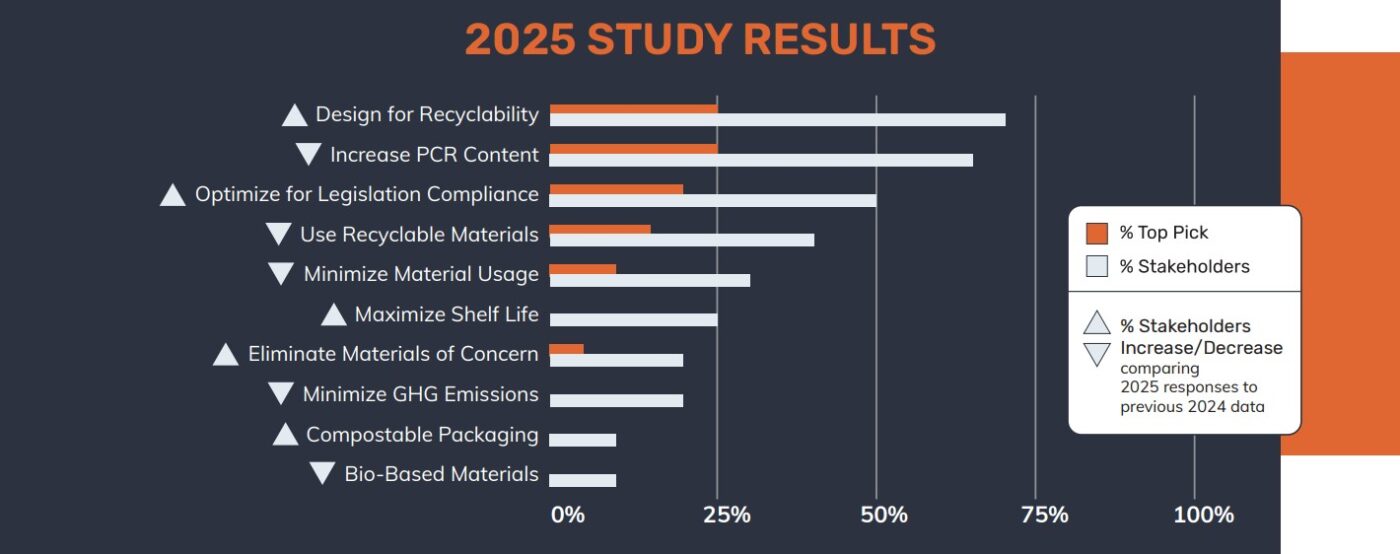
At the same time, priorities remain grounded in practical action, as evident by examining the study results. 70% of stakeholders identify Design for Recyclability as a top objective, reinforcing the importance of designing for real-world systems. 65% percent are focused on increasing post-consumer recycled content, reflecting continued demand for materials that support circularity while meeting performance expectations. In parallel, many organizations continue to prioritize material reduction to drive both environmental and economic value.
The study also highlights a clear move toward integration. Sustainability is being built into product development, sourcing strategies, and cross-functional collaboration. This system-level approach is helping organizations move more efficiently from concept to execution while improving their ability to respond to evolving regulatory and market demands. Companies that integrate sustainability early in the design process are better positioned to avoid downstream challenges and costs.
Another key theme is increasing complexity. Stakeholders are navigating changing definitions of recyclability, emerging legislation, and ongoing supply challenges for recycled materials. At the same time, expectations from customers and retailers continue to rise. As a result, there is a growing demand for partners who can provide data-driven guidance and actionable pathways forward. Organizations are looking for solutions that translate sustainability goals into decisions that work in practice and at scale.
For packaging leaders, the path forward is clear. Success will depend on aligning design, materials, and compliance into a cohesive strategy. Decisions made at the design stage will have lasting impacts across the value chain, influencing environmental performance, regulatory exposure, and total cost.
Organizations that take a proactive, system-level approach will be best positioned to lead in the next phase of sustainable packaging. The opportunity now is to turn insight into action and build packaging strategies that are both resilient and ready for what comes next.
Download the full 2026 Thermoform Sustainability Report to explore the complete stakeholder insights, data, and strategies shaping the future of thermoformed packaging.

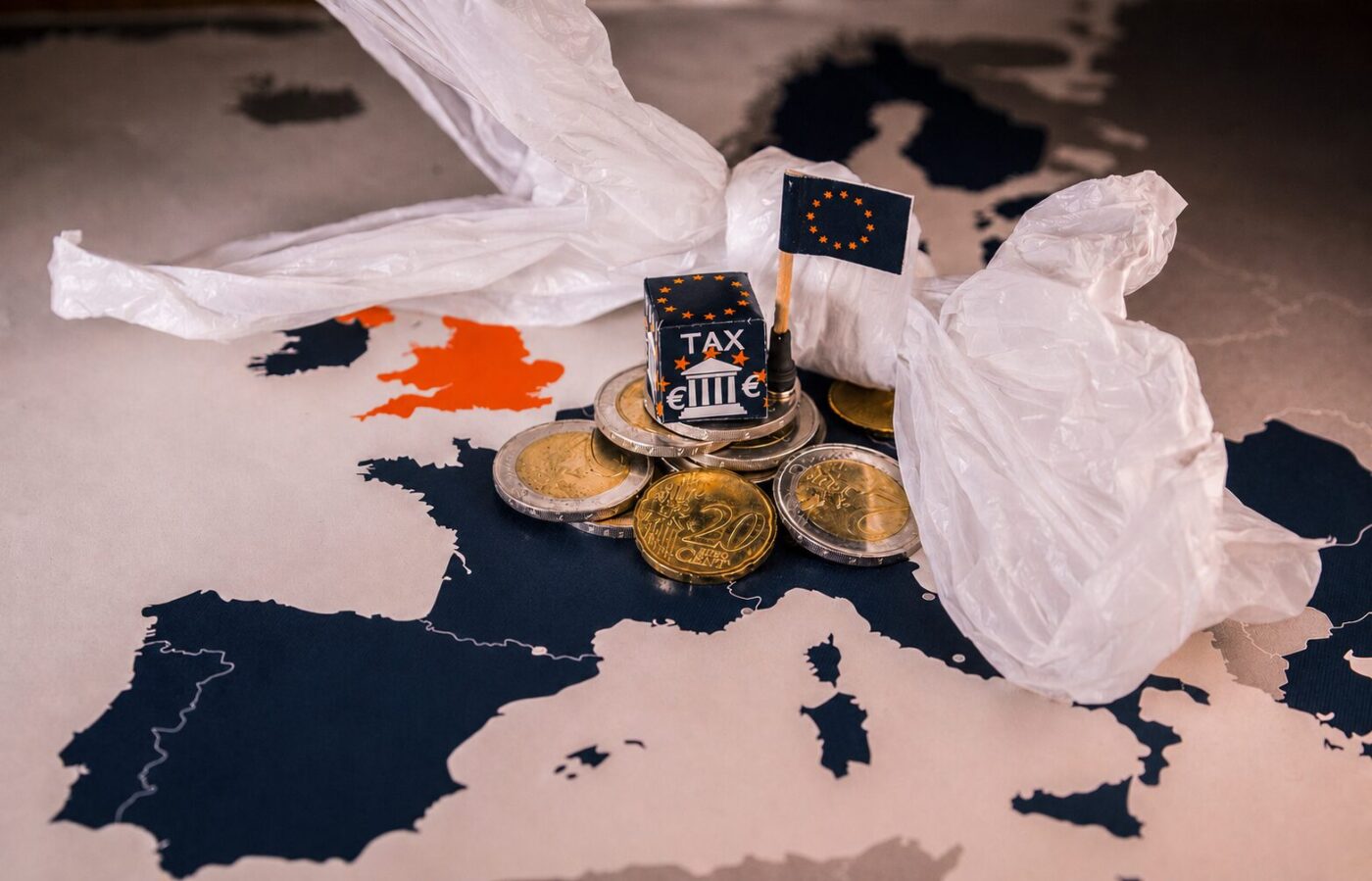
Extended Producer Responsibility is no longer emerging policy. It is taking shape across the United States, led by developments in California. As the state’s EPR policy, SB 54, enters execution, 2026 becomes a critical inflection point for producer readiness.
Recent regulatory updates reflect both progress and pressure. California has advanced revised rulemaking after withdrawing earlier drafts, while statutory deadlines remain unchanged. By 2032, all packaging must be recyclable or compostable, plastic packaging must be reduced by 25 percent, and recycling rates must reach 65 percent. For producers, this means timelines are tightening even as details continue to evolve.
Early program elements, including material categorization and recycling benchmarks, are also expected to influence future fee structures. As these develop, packaging design choices will carry increasing financial impact.
Organizations that treat 2026 as a readiness year will be better positioned to manage risk and control costs. Plastic Ingenuity’s EPR Toolkit provides practical guidance to help organizations navigate these changes and take action with confidence.


A recent article from Plastic Ingenuity’s Zach Muscato in Packaging Technology Today outlines three essential steps to achieving circularity through EPR compliance. It offers a practical perspective on how companies can align design, materials, and regulatory requirements into a unified strategy.
Read the full article to explore how these principles can be applied across your packaging portfolio.
of stakeholders identify design for recyclability as a key sustainability goal
are focused on increasing post-consumer recycled content
are prioritizing optimization for legislative compliance

SPC Impact | Nashville | April 21-23
Plastic Ingenuity will be exhibiting at SPC Impact, where industry leaders will gather to discuss the future of sustainable packaging. Stop by to connect with our team and explore how we are helping brands navigate circularity and compliance.
American Packaging Summit | Chicago | May 14-15
We will also be speaking at the American Packaging Summit, sharing insights on sustainability strategy, regulatory readiness, and the evolving role of thermoforming in a circular economy.
Sign up for our newsletter, PI Circular, to keep up with the latest in sustainability and learn about circularity for your industry.