




Blogs
Engineering a More Sustainable Medical Device Reel: Plastic…
Plastic Ingenuity is proud to announce that its PET Medical Device Reel…

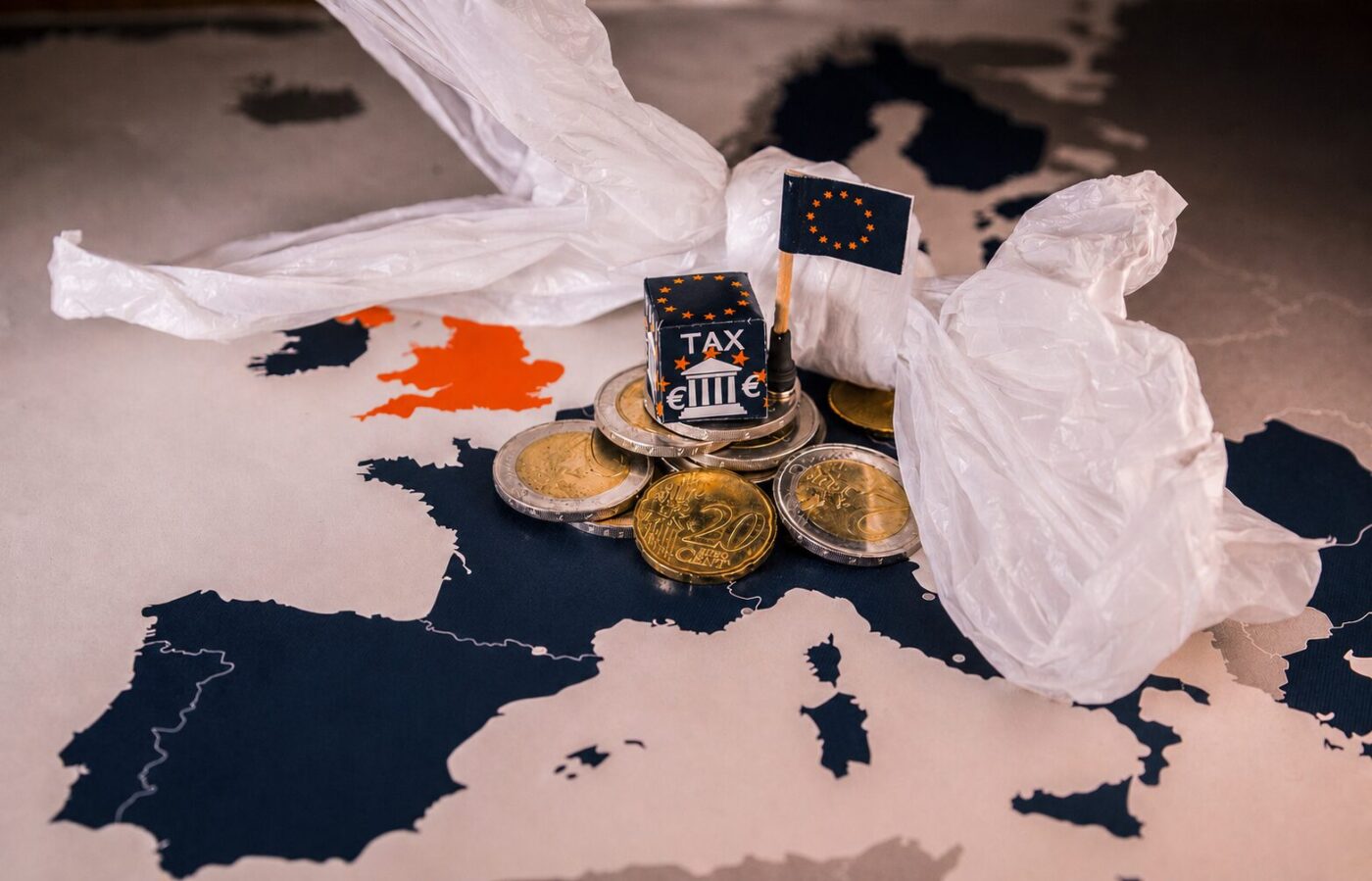
What is the EU Packaging & Packaging Waste Regulation (PPWR)
The European Union’s Packaging & Packaging Waste Regulation (PPWR) is quickly becoming one of the most significant pieces of packaging legislation in the world. Published as Regulation (EU) 2025/40, PPWR establishes harmonized packaging requirements across all EU Member States covering the entire packaging lifecycle, from design and material selection to recyclability, recycled content, labeling, collection, and waste reduction. While it is an EU regulation, its influence will extend far beyond Europe to all companies that manufacture, package, or sell products into the European market.
Like many major sustainability regulations, PPWR is expected to influence material innovation, packaging design, recyclability, recycled content, and reporting. Similar ripple effects have already been seen from regulations like California’s SB 54 and extended producer responsibility (EPR) laws across North America. PPWR has the potential to be even more transformative because it establishes harmonized requirements across all EU Member States and addresses nearly every stage of a package’s lifecycle.
More Than a Recycling Regulation
PPWR introduces requirements that span packaging design, recyclability, packaging minimization, substances of concern, labeling, recycled content, reuse, technical documentation, and producer responsibility. It is intended to reduce packaging waste while accelerating the transition toward a circular economy across Europe.
For many companies, this represents a shift in how packaging decisions are made. Instead of evaluating sustainability after a package has been designed, sustainability considerations increasingly need to be incorporated at the beginning of the development process.
Healthcare Packaging Presents Unique Challenges
Healthcare packaging has always required a careful balance between sustainability and performance. Sterility, patient safety, regulatory compliance, and product protection remain non-negotiable.
Recognizing these unique challenges, PPWR includes targeted exemptions for certain contact-sensitive pharmaceutical and medical packaging from some recyclability and recycled content requirements. However, these exemptions are not blanket exclusions from the entire regulation. Many other PPWR requirements, including items like packaging minimization, technical documentation, labeling, and reporting obligations, still apply to healthcare packaging.
Most importantly, today’s exemptions may not last forever. The European Commission is required to review several healthcare packaging exemptions in 2035 as recycling technologies and infrastructure continue to evolve. That means companies should view current exemptions as temporary accommodations rather than permanent solutions.
A New Resource for Navigating PPWR for Healthcare Companies
Plastic Ingenuity developed the PPWR Toolkit: Understanding the EU Packaging & Packaging Waste Regulation (PPWR), a comprehensive educational resource focused specifically on rigid thermoformed healthcare packaging.
The toolkit provides an overview of the regulation, explains healthcare-specific exemptions, summarizes implementation timelines, outlines the four core packaging design principles, answers frequently asked questions, and includes real-world case studies demonstrating how thoughtful package design can improve both sustainability and performance.
Four Design Tenets for Thermoformed Healthcare Packaging
The toolkit organizes PPWR preparation into four core design tenets:
1. Minimize substances of concern. Understanding packaging materials, coatings, inks, adhesives, and additives will become increasingly important as reporting and material transparency requirements expand.
2. Minimize packaging. PPWR emphasizes using only the material necessary to protect the product. Lightweighting, improved cube utilization, and efficient package design are likely to become even more valuable.
3. Design for recyclability. Beginning in 2030, packaging placed on the EU market must be recyclable by design, with recyclability performance becoming a key evaluation criterion. By 2038, packaging that does not achieve at least a Grade B recyclability rating will no longer be permitted on the EU market.
4. Incorporation of recycled content. While certain healthcare applications may be exempt, many packaging formats will face minimum recycled content requirements, creating new opportunities for material innovation and circular design.
Why Preparation Starts Now
Although many of PPWR’s major requirements do not begin until 2030, companies that wait until the compliance deadlines arrive may find themselves facing significant redesign efforts, supply chain challenges, and increased costs.
Packaging development timeline, particularly in healthcare, often span several years. Material qualification, validation, testing, regulatory approvals, and commercialization all require substantial time and investment.
Starting now allows organizations to identify potential risks early, evaluate alternative materials, understand where current packaging aligns with future requirements, and prioritize projects that deliver both sustainability and business value.
The road to PPWR compliance starts long before implementation deadlines arrive. Companies that begin evaluating their packaging portfolios today will be better positioned to manage future regulatory requirements while uncovering opportunities to improve efficiency, reduce environmental impact, and strengthen their overall packaging strategy. Plastic Ingenuity is committed to helping customers navigate this transition through engineering expertise, sustainability guidance, and practical resources like our free PPWR Toolkit.

California SB 54 Program Plan Signals Positive Momentum for Thermoforms
Circular Action Alliance (CAA) recently released its draft California SB 54 Program Plan, providing the clearest picture yet of how the state’s packaging EPR law may be implemented. While important details remain to be finalized, the plan sends an encouraging message for PET and PP thermoforms.
The Program Plan designates PET and PP thermoforms as Phase In materials, recognizing they have a viable pathway to circularity through continued investment in recycling infrastructure. It acknowledges that today’s recycling challenges are largely driven by infrastructure gaps and emphasizes investments in collection, sortation, processing, and end markets to improve recovery over time.
For brand owners, this reinforces the importance of designing recyclable packaging and incorporating post-consumer recycled (PCR) content where feasible. The Program Plan also recognizes that packaging must balance recyclability with product protection, food safety, and performance, acknowledging that sustainability cannot come at the expense of package functionality.
While fee structures and other implementation details are still evolving, the overall direction is promising. For companies already investing in recyclable PET and PP thermoforms, the draft Program Plan suggests California is focused on improving the recycling system while supporting packaging formats that have a clear path toward circularity.
The draft California SB 54 Program Plan is open for public comment through August 14, 2026, providing brand owners and other stakeholders an opportunity to help shape the final implementation of the law.
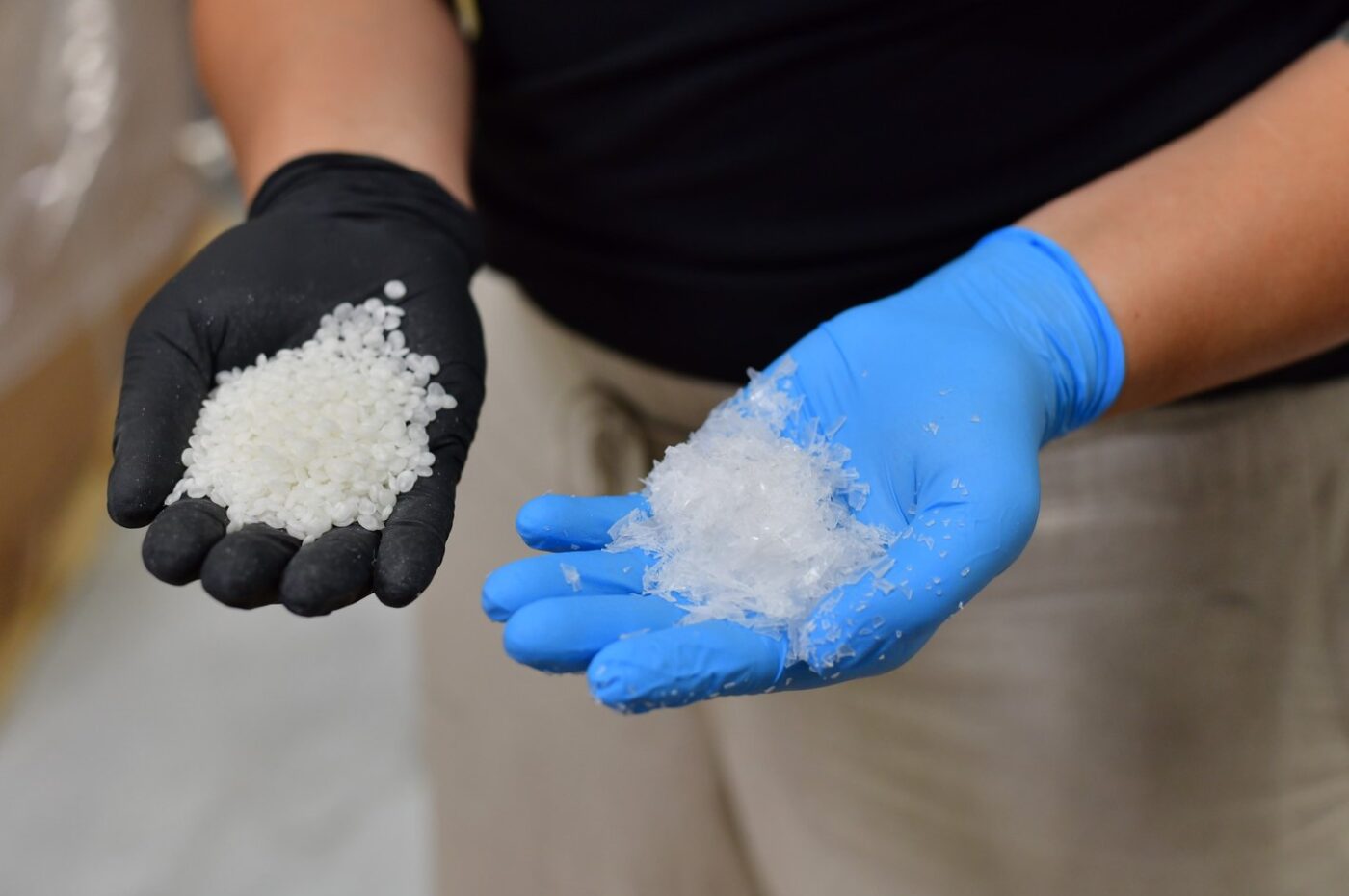

Designing recyclable packaging is about much more than selecting the right material. This article in Plastics Today from PI’s Director of Sustainability and Innovation, Zach Muscato, explores why true circularity depends on aligning package design with collection, sortation, end markets, policy, and consumer participation across the entire recycling system.
PPWR officially applies on August 12, 2026
All packaging placed on the EU market must be recyclable by design. Packaging minimization requirements apply. Recycled content requirements begin for plastic packaging
Packaging below a Grade B recyclability rating can no longer be placed on the EU market

SPC Advance | San Diego
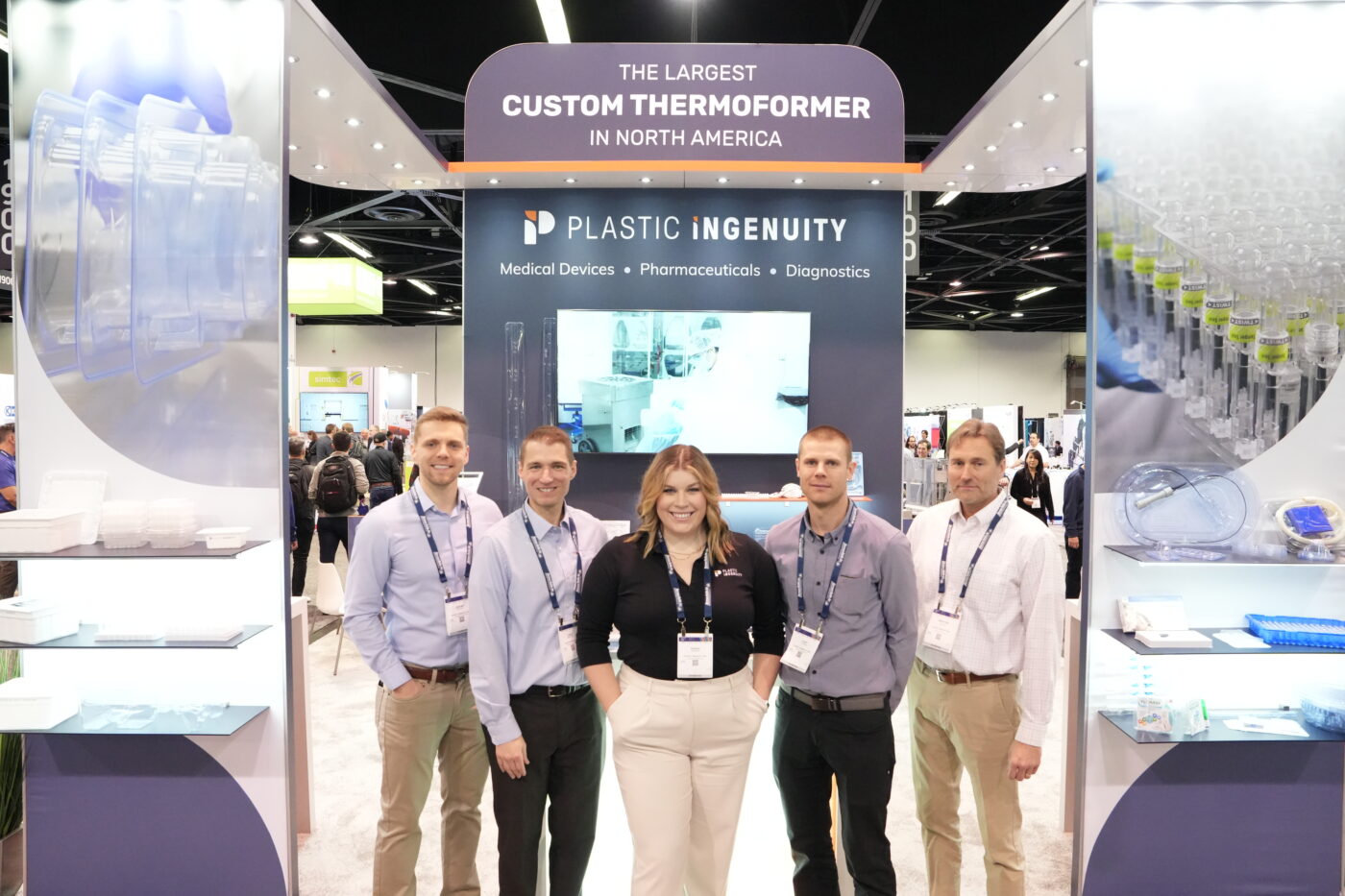
Plastic Ingenuity will be attending SPC Advance on September 28 – 29th, where industry leaders will explore the policies, technologies, and collaborations shaping the next generation of sustainable packaging. Zach Muscato will join a panel discussion on postconsumer recycled (PCR) content, sharing practical perspectives on advancing circular packaging solutions.
PACK EXPO | Chicago
Plastic Ingenuity will be exhibiting at PACK EXPO International 2026, where packaging professionals from around the world gather to explore the latest technologies and innovations shaping the industry. On Tuesday, October 20th, Zach Muscato and Paige Greenberg will present on the Innovation Stage, sharing insights on advancing sustainable thermoformed packaging and the role of innovation in enabling a more circular future.
Sign up for our newsletter, PI Circular, to keep up with the latest in sustainability and learn about circularity for your industry.