


Blogs
Engineering a More Sustainable Medical Device Reel: Plastic…
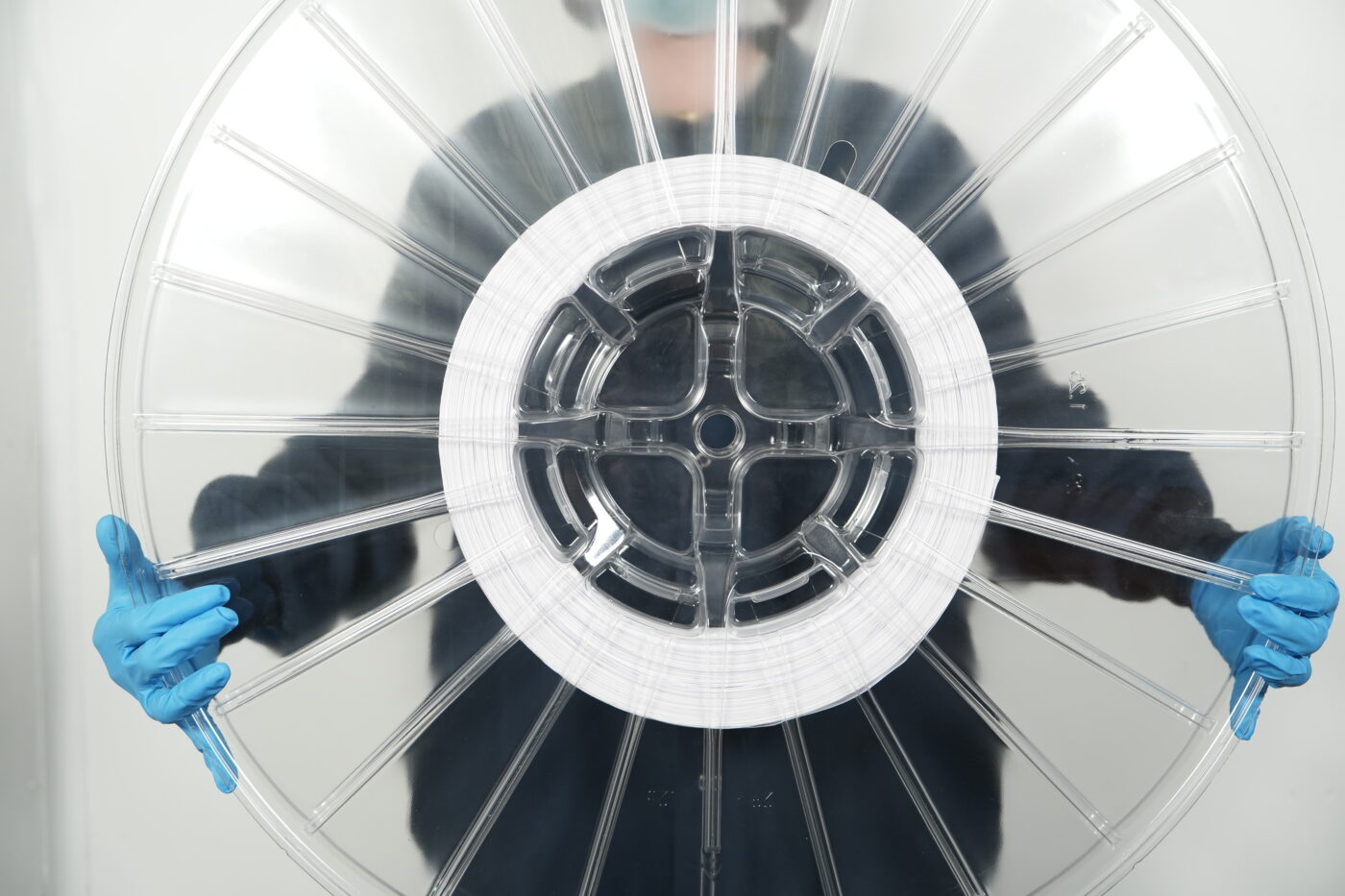
Plastic Ingenuity is proud to announce that its PET Medical Device Reel…

Building Demand Through Better Packaging Decisions
California’s SB 54 is prompting brands to reconsider how packaging is designed, sourced, and documented. Its source-reduction framework connects material efficiency and recycled content to compliance. For brands, these decisions also offer an opportunity to build more reliable demand for the materials produced by domestic recyclers.
That demand matters, but it only works when the rest of the recycling system can deliver material that buyers can use. The Recycling Partnership identifies five interdependent requirements: recyclable packaging, recycling access, consumer engagement, effective processing, and viable end markets. Brands influence several through their packaging designs, purchasing decisions, and participation in industry efforts.
Connect Package Design with Material Sourcing
Evaluate source reduction, recyclability, and post-consumer recycled (PCR) content together. A lighter tray reduces material use. A compatible label or barrier supports recycling. Incorporating PCR replaces virgin material and creates an outlet for recovered plastic. Each improvement addresses a different part of the system.
SB 54 allows qualifying PCR to contribute to its source-reduction goals by replacing virgin plastic, even when the total package weight remains the same. Circular Action Alliance (CAA), California’s Producer Responsibility Organization (PRO), currently requires APR Certified PCR at the resin level for this pathway. Brands should specify certified material and verify the supporting records before assigning compliance credit. A package’s PCR percentage should not be treated as its source reduction percentage.
Begin with a portfolio review. Identify opportunities to reduce unnecessary materials or components, improve recyclability, and increase PCR. Prioritize changes that preserve product protection and qualify for commercial production.
Turn Targets into Predictable Purchases
A recycled content commitment becomes demand when it translates into recurring orders. Bring purchasing, engineering, quality, and sustainability teams together early to establish specifications, expected volumes, qualification plans, and commercial requirements.
Where feasible, share forecasts and explore supply agreements that give recyclers greater visibility into future purchases. Keep material qualifications moving so suitable PCR sources become approved production options. This gives brands more sourcing flexibility and helps recyclers plan operations and evaluate investments.
Include domestic PCR in those evaluations. A global supply base offers legitimate benefits, including availability and competition. At the same time, purchasing from domestic recyclers can support the recovery system serving the markets where brands sell their products. Consider that contribution alongside quality, consistency, food contact suitability, availability, and cost. Reliable demand and competitive material must develop together.
Verify What the Records Support
Confirm certification scope, recycled content percentage, and food contact documentation for the intended application. Connect supplier evidence to finished packaging records and the claim the brand intends to make. For the SB 54 PCR pathway, confirm the reclaimer’s APR certification rather than if another recycled-content certification qualifies.
For brands looking to support domestic recycling, conversations with suppliers can help clarify where material was collected and processed. Recycled content certification provides confidence in the material’s recycled origin, while geographic sourcing may require additional information. Building that understanding over time can support more informed purchasing decisions.
Support the System Behind the Package
Complement purchasing commitments with designs compatible with recycling, clear disposal instructions, and collaboration to improve collection and processing. Share package performance requirements with converters and recyclers so material development reflects what commercial applications need.
The next step is to connect a packaging improvement plan with a purchasing plan. Plastic Ingenuity helps brands evaluate material efficiency, recycling compatibility, and PCR incorporation while preserving package performance. Together, these decisions can support compliance and create more dependable markets for domestic recycled material.

New Jersey Extends Food Packaging PCR Exemption
New Jersey has extended the temporary exemption from its recycled content requirements for food packaging and containers through December 31, 2029, postponing the anticipated January 2027 implementation. NJDEP cited concerns about food-grade PCR availability, technological readiness, and potential impacts on food quality.
The decision has drawn industry objections. APR urged New Jersey to maintain the original timeline, citing established food contact uses and the law’s existing waiver process for specific compliance challenges. APR also warned that a blanket delay weakens predictable demand for recyclers that have invested in equipment and capacity.
Brands should use the additional time to continue preparation. Advancing sourcing, food contact reviews, production trials, and package qualifications can reduce future implementation risk. Where suitable, PCR meets performance and commercial requirements, and its continued adoption also supports the markets that recycling depends on.


How PI Is Expanding Demand for Recycled PET
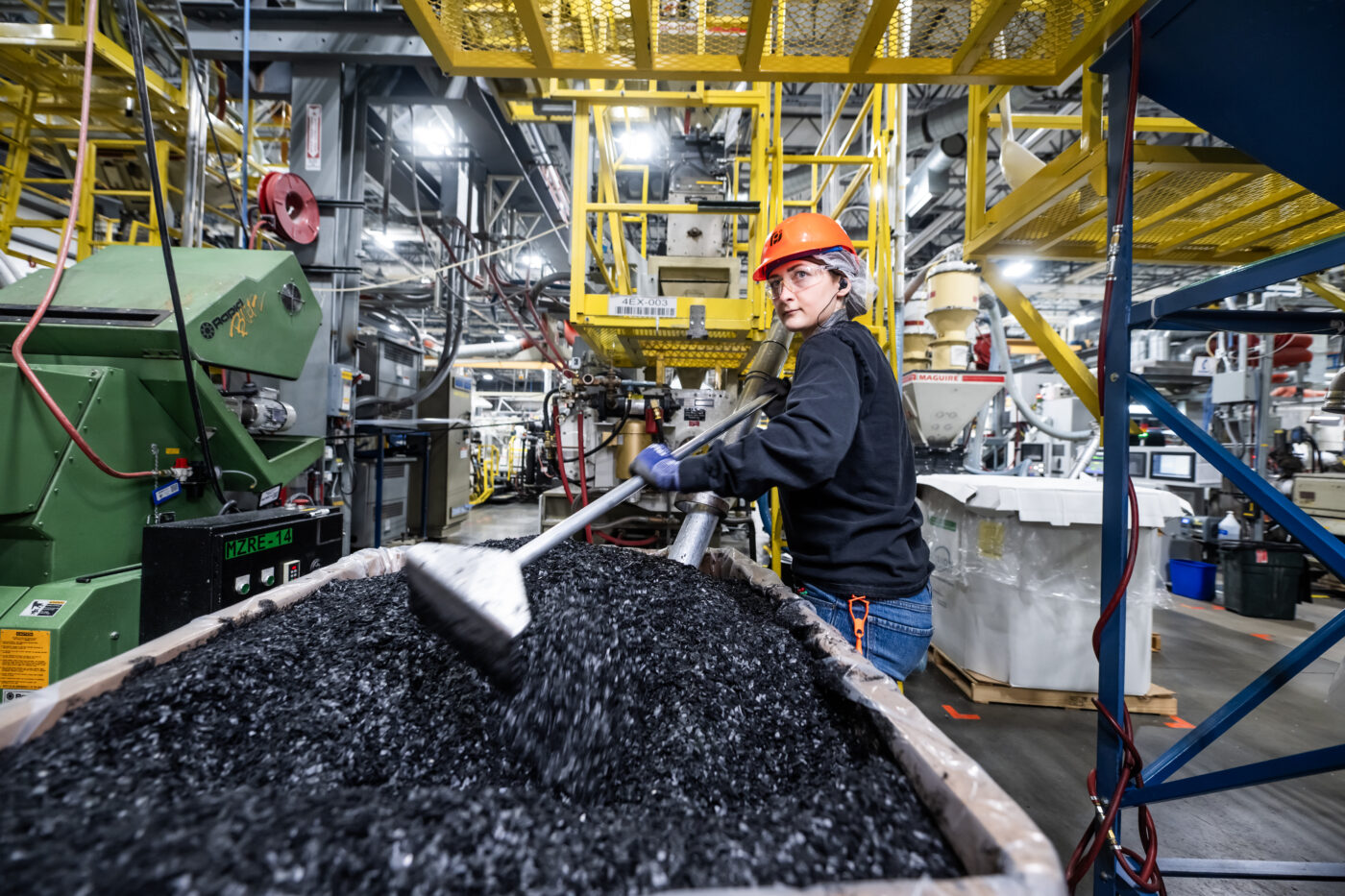
The Recycling Partnership’s case study highlights Plastic Ingenuity’s investments in processing equipment and its commitment to using PCR in PET thermoformed packaging. It explores how manufacturing capability and purchasing commitments help connect recovered materials with commercial applications.
The baseline year for SB 54’s collective plastic source reduction targets.
10% / 20% / 25%: The collective reduction milestones for 2027, 2030, and 2032, measured by plastic weight and component count. These targets apply through the producer responsibility organization’s plan rather than uniformly to every package.
Plastic Ingenuity can produce packaging with up to 100% PCR content, depending on the application and performance requirements.


PACK EXPO International | Chicago | October 18–21, 2026
Plastic Ingenuity will exhibit at PACK EXPO International. On Tuesday, October 20, Zach Muscato and Paige Greenberg will present on the Innovation Stage, sharing practical perspectives on sustainable thermoformed snack packaging, including PCR incorporation, lightweighting, and packaging performance.
APR Fall Member Meeting | New Orleans | October 27–29, 2026
Zach Muscato, PI’s Director of Sustainability and Innovation, will join a PET thermoform panel during the Market Development Committee Meeting on Thursday, October 29, from 8:30–10:15 a.m. Central.
The discussion will explore how reclaimers, equipment suppliers, and converters are adapting to EPR obligations while strengthening material recovery, quality, and end markets. The committee meeting will also feature a separate flexible films panel, APR’s eco-modulation principles, a market overview, and updates on 2026 Demand Champions. View the APR agenda and registration information
Sign up for our newsletter, PI Circular, to keep up with the latest in sustainability and learn about circularity for your industry.